Thrombosis
Awareness
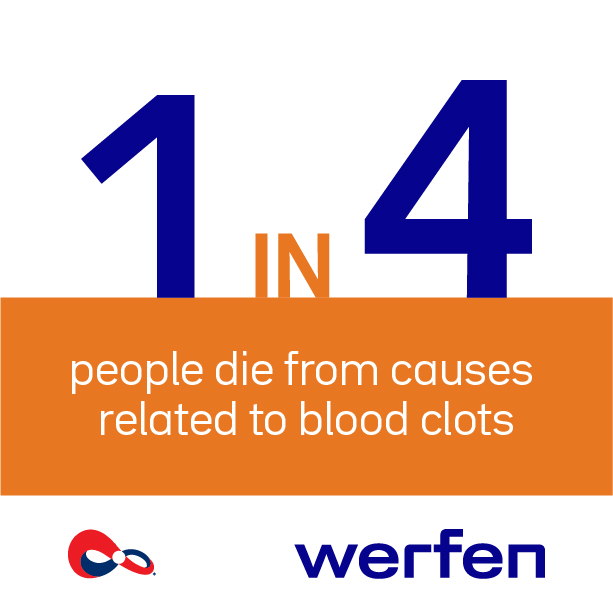
Werfen is committed to Powering Patient Care and increase global awareness of thrombosis to enhance patient outcomes.
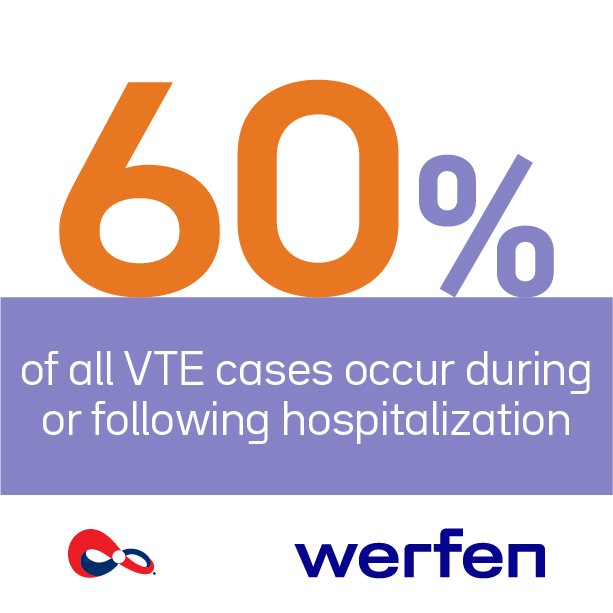
At Werfen, our mission to Powering Patient Care includes advancing global understanding of thrombosis to improve health outcomes.
To mark International TTP Day, observed last Wednesday, this issue focuses on thrombotic microangiopathies (TMAs)—a group of rare but life-threatening hematologic disorders.
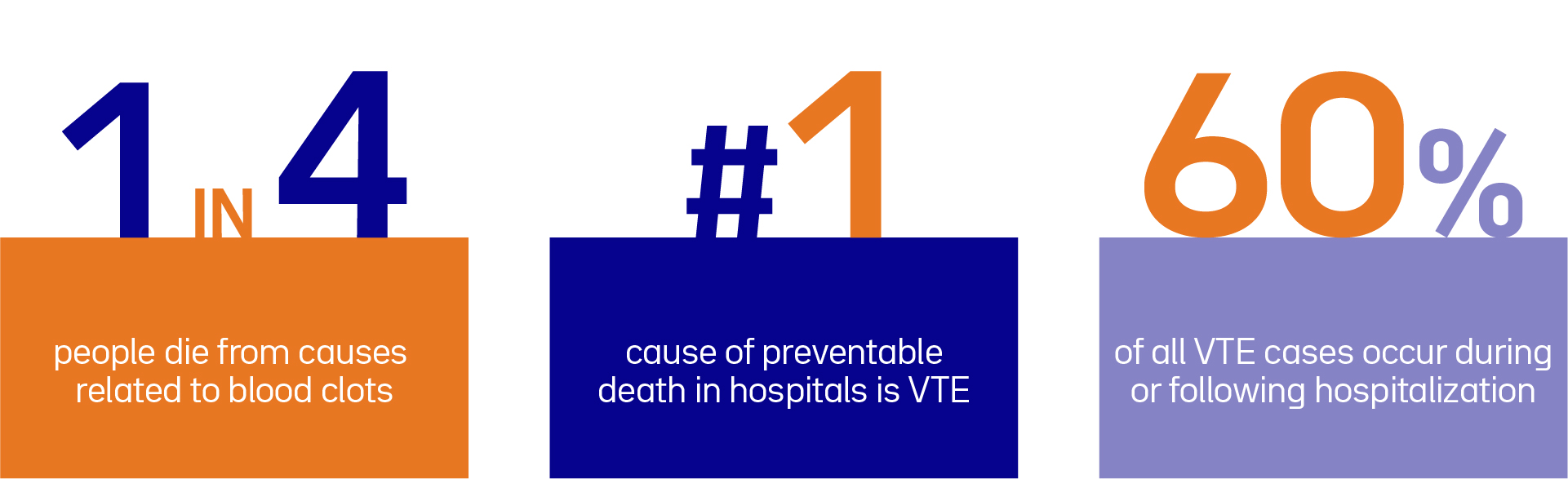
At Werfen, our commitment to Powering Patient Care includes enhancing the understanding of thrombotic disorders to drive better clinical outcomes.
To mark International TTP Day, observed last Wednesday, this issue focuses on thrombotic microangiopathies (TMAs)—a group of rare but life-threatening hematologic disorders.
TMAs disrupt normal Hemostasis and often present with thrombocytopenia, microangiopathic hemolytic anemia (MAHA), and organ dysfunction. Among these conditions, Thrombotic Thrombocytopenic Purpura (TTP) is one of the most studied and clinically significant subtypes due to its acute onset and high mortality if left untreated.
Last year marked 100 years since Dr. Eli Moschowitz first described TTP, and it took over two decades before this condition was officially named. Then, in 1978, plasma therapy finally offered a lifeline. But the real turning point came in 2001, when scientists identified and purified ADAMTS13—unlocking Lab tests that revolutionized diagnosis and treatment.
TTP is caused by a severe deficiency of ADAMTS13, a metalloprotease that cleaves ultra-large von Willebrand factor (vWF) multimers. When ADAMTS13 activity drops below 10%, these multimers accumulate and promote spontaneous platelet aggregation in the microvasculature, leading to widespread thrombi formation. This deficiency is usually acquired via autoantibodies, though inherited forms also exist.
Clinically, TTP presents with a pentad of symptoms: thrombocytopenia, MAHA, neurological abnormalities, renal impairment, and fever. However, not all patients exhibit the full spectrum, and diagnosis often hinges on Laboratory confirmation. Rapid recognition is vital, as untreated TTP has a ~90% mortality rate. Low ADAMTS13 activity in the context of a high pre-test probability assessed with PLASMIC or FRENCH Score, are highly indicative of acute disease.
Plasma exchange remains the cornerstone of TTP treatment, serving both to remove autoantibodies and replenish ADAMTS13. Adjunctive therapies include corticosteroids and rituximab, targeting the autoimmune component. Emerging treatments such as caplacizumab and recombinant ADAMTS13 (for the congenital forms) show promise in refractory cases.
Beyond TTP, which accounts for approx. 15% of all Thrombotic Microangiopathies, other TMAs include Hemolytic Uremic Syndrome (HUS), Disseminated Intravascular Coagulation (DIC), and HELLP Syndrome (Hemolysis, Elevated Liver enzymes, and Low Platelet count). These conditions share overlapping features but differ in pathophysiology. Differentiating TTP from other TMAs is essential, as treatment strategies vary significantly. In this context, ADAMTS13 testing plays a key role in guiding diagnosis.
Long-term management of TTP includes regular monitoring of platelet count and ADAMTS13 activity to predict relapses. Persistently low levels during remission are associated with increased risk of exacerbation. Guidelines recommend lifelong follow-up, including testing for autoantibodies and inhibitors.
TMAs reveal the delicate balance between coagulation and vascular health. Thanks to advances in diagnostics, targeted therapies, and long-term monitoring, patient outcomes are improving. But the journey doesn’t end here. Ongoing awareness, collaboration, and research are vital to unlocking better strategies and saving more lives.