Thrombosis
Awareness
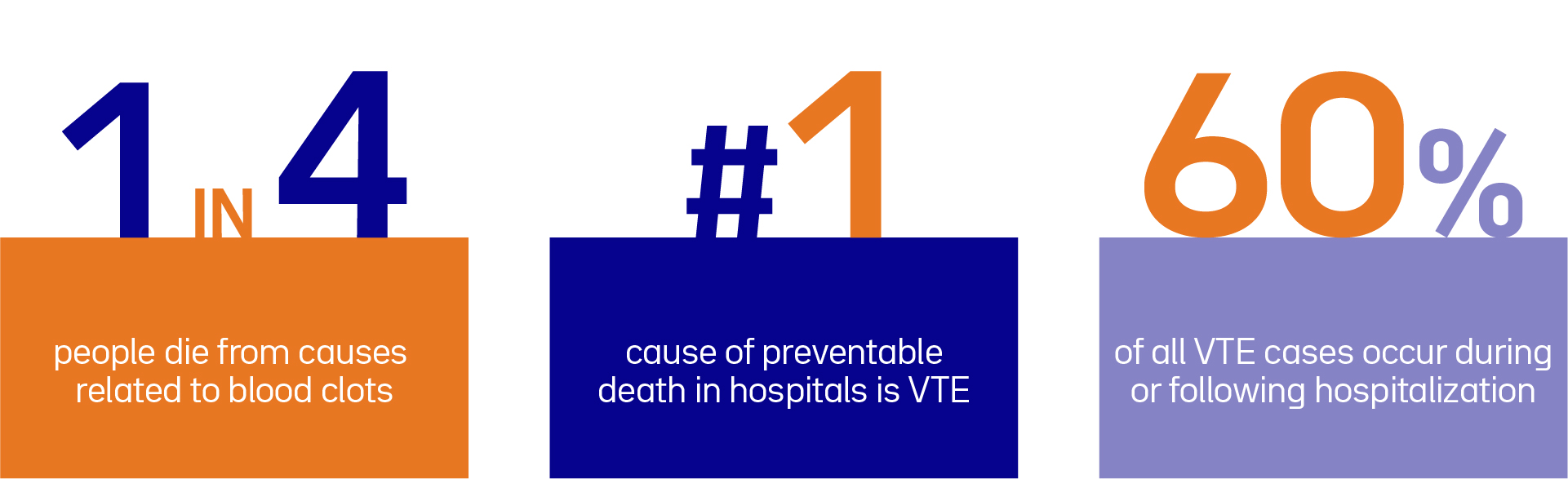
Werfen is committed to Powering Patient Care and increase global awareness of thrombosis to enhance patient outcomes.

This episode focuses on Catheter-Related Thrombosis (CRT), a condition accounting for most upper extremity DVTs and approximately 10% of all VTEs. However, with the increasing use of peripherally inserted central catheters, the incidence of CRT is expected to rise further.
Werfen is committed to Powering Patient Care and raising global awareness about thrombosis to improve health outcomes.
This episode focuses on Catheter-Related Thrombosis (CRT), a condition accounting for most upper extremity DVTs and approximately 10% of all VTEs. However, with the increasing use of peripherally inserted central catheters, the incidence of CRT is expected to rise further.
Central venous catheters (CVCs) are indispensable in modern medicine, especially for patients needing long-term intravenous therapy, chemotherapy, hemodialysis, or parenteral nutrition. Despite their benefits, CVCs can lead to several complications, with CRT being one of the most significant.
The insertion of a CVC can damage the endothelium, initiating the coagulation cascade and resulting in thrombus formation. Thrombosis associated with CVCs can be classified into three types: pericatheter sheath (fibrin sleeve), thrombotic occlusion of the catheter lumen, and mural thrombosis, which can be either superficial or deep vein thrombosis. This latter is conventionally defined as CRT, primarily affecting the upper extremity, but also occurring in other venous districts depending on the catheter placement site.
Several factors may increase the risk of CRT, including the use of larger, multilumen catheters, peripherally inserted central catheters, and the presence of cancer, particularly in patients undergoing chemotherapy. Other factors include prolonged catheter use, a history of thrombosis, and genetic predisposition to hypercoagulability.
Most CRT cases are asymptomatic, making identification difficult. Symptoms may include swelling, pain, and redness at the catheter site, and severe cases can lead to life-threatening complications like pulmonary embolism.
Most CRT cases are asymptomatic, making identification difficult. Symptoms may include swelling, pain, and redness at the catheter site, and severe cases can lead to life-threatening complications like pulmonary embolism.
Current guidelines recommend anticoagulation for at least three months or as long as the catheter is in place, tailored to the patient's thrombosis and bleeding risk.
Commonly used anticoagulants include heparin and warfarin. Comparative studies also suggest DOACs as a valid alternative, while thrombolytic agents may be used in some cases to actively dissolve the clot.
Preventive measures are preferable to treatment. These include proper catheter insertion techniques, regular monitoring for signs of thrombosis, and the use of anticoagulants in high-risk patients. However, the routine use of prophylactic anticoagulants has not shown significant benefits and is not widely recommended.
Risk prediction models, Machine Learning and Bayesian-Learning models, often incorporating D-dimer, are increasingly studied and utilized as an aid in CRT diagnosis.
FXI and FXII are emerging as promising therapeutic targets, reducing device-associated clotting without the bleeding risks of traditional anticoagulants.
CRT is a serious complication that requires prompt diagnosis and management to prevent adverse outcomes. Understanding the risk factors, clinical presentation, and treatment options is essential for Healthcare Providers to effectively manage and prevent this condition. By amplifying global awareness and refining clinical practices, we can significantly enhance patient care and reduce the incidence of this severe condition.