Thrombosis
Awareness
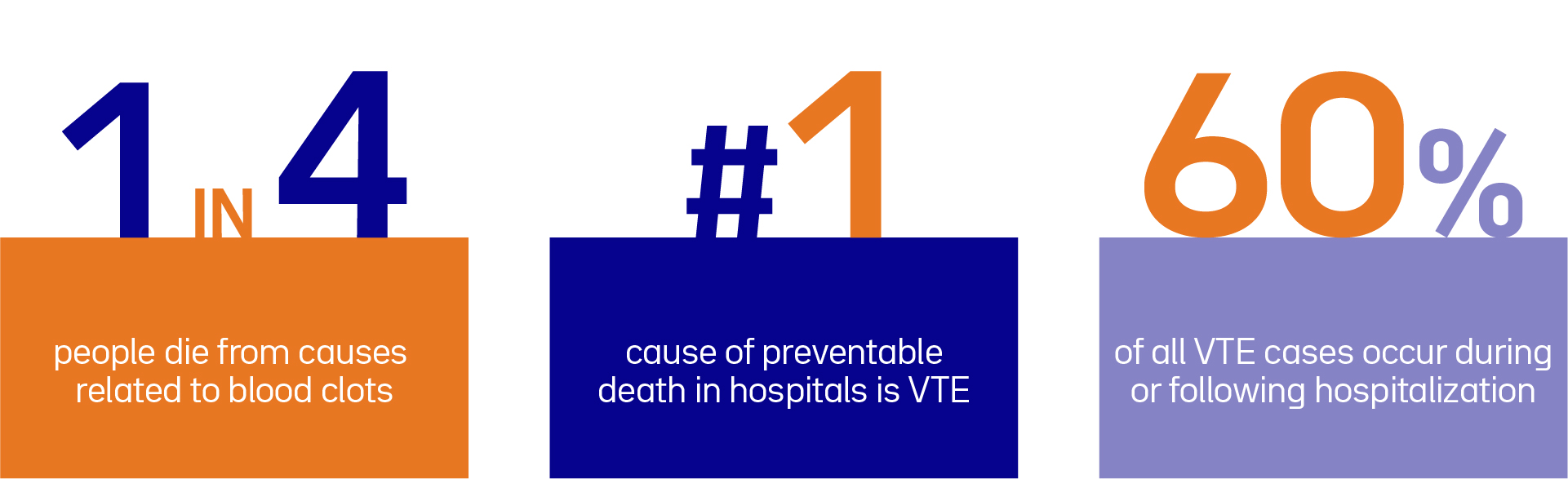
Werfen is committed to Powering Patient Care and increase global awareness of thrombosis to enhance patient outcomes.
In episode 23, we explore how heat affects the human body, with a special focus on cardiovascular health, venous function, and thrombotic risk. Join us in raising awareness and play an active role in safeguarding health!
At Werfen, we are dedicated to advancing patient care through education and awareness initiatives that support better understanding and management of thrombotic disorders. This episode explores the impact of heat on the human body, with particular attention to cardiovascular function, venous health, and the risk of thrombosis.
As global temperatures continue to rise, heatwaves are becoming more frequent and intense, posing significant health risks. Prolonged exposure to high temperatures can alter normal physiological processes and increase the likelihood of thrombotic events, especially in vulnerable individuals.
One of the primary consequences of heat exposure is fluid loss through perspiration. When these losses are not adequately replaced, dehydration may occur. Reduced body water content leads to a decrease in plasma volume, resulting in a higher concentration of blood components. This process, known as hemoconcentration, increases blood viscosity and may slow circulation. Together, these changes can promote clot development and contribute to mechanisms associated with thrombosis.
Heat exerts physiological stress on the cardiovascular system, increasing the probability of stroke and myocardial infarction in individuals with underlying cardiovascular disease. Dehydration and hemoconcentration may promote thrombosis, while inflammatory and sympathetic responses can destabilize atherosclerotic plaques. High humidity further amplifies cardiovascular demand by impairing sweat evaporation, reducing the body’s cooling capacity and increasing physiological burden.
Heatwaves can negatively impact venous health by causing blood vessels to dilate, leading to increased blood pooling in the legs. As a result, patients with varicose veins and chronic venous disease may experience worsening symptoms, including increased leg swelling, heaviness, discomfort, and fatigue. Additionally, prolonged heat exposure may further elevate the risk of thrombotic complications in individuals with a history of thrombotic episodes.
Certain drugs may heighten vulnerability to heat-related health problems. For example, diuretics can increase fluid loss, while some antihypertensive agents may affect thirst perception or blood pressure regulation. Additionally, medications used in psychiatric care, including antipsychotics and selective serotonin reuptake inhibitors, can interfere with the body's thermoregulatory mechanisms. In some cases, the combination of different medications may further amplify the risks.
Reducing the threats associated with extreme heat requires proactive measures. Individuals at risk of thrombosis should stay well hydrated, limit alcohol intake, remain active, and avoid excessive heat exposure. For patients with chronic venous disease, compression therapy, leg elevation, and regular movement can improve venous return and reduce venous stasis and discomfort.
As heatwaves become increasingly common, understanding their effects on vascular health is more important than ever. Raising awareness of heat-related thrombotic risks and encouraging preventive behaviors can help reduce complications and support patient well-being. Through education, appropriate clinical management, and healthy lifestyle practices, both healthcare professionals and patients can play a key role in protecting circulatory health during periods of extreme heat.